Chris Hunter Photography

  • home
  • asia | africa | europe
    • vietnam
    • hong kong
    • kyoto | osaka
    • tokyo
    • singapore
    • marrakech
    • spain
    • switzerland
    • iceland
    • croatia
    • bosnia + herzegovina
    • budapest
    • scotland
    • london | windsor
    • lisbon
    • rome | milan
    • paris
  • the americas
    • peru
    • buenos aires | uruguay
    • são paulo
    • costa rica
    • aruba
    • turks + caicos islands
    • mexico
    • toronto
    • vancouver
    • puerto rico
    • hawai'i
    • pacific northwest
    • seattle
    • southern california
    • san francisco | napa
    • north rockies national parks
    • colorado
    • american southwest
    • american midwest
    • new york city
    • boston
    • miami
    • carolinas
    • home: columbus
  • projects
    • travail | to those who move the world
    • emergence | monochrome street
    • hygge | cozy around the world
    • japan | shots from the bullet
  • themes
    • architecture
    • astro | weather
    • automotive
    • film | analog
    • pets | people
    • product
    • underwater
    • wildlife
  • writings
    • travel log
    • book reviews
  • info
    • about
    • contact
    • gear
    • books
    • shop

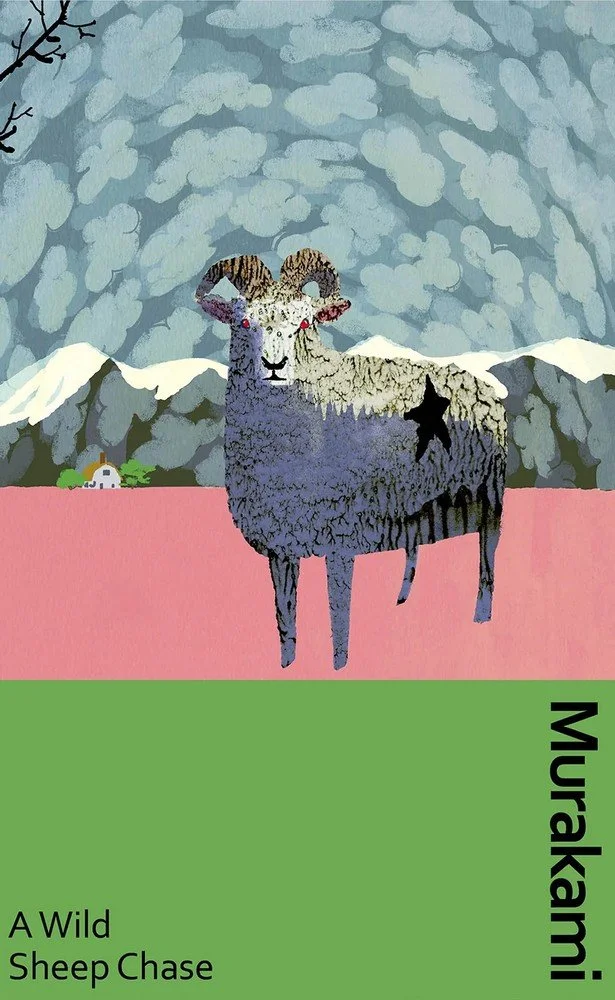
A Wild Sheep Chase; Haruki Murakami; 1982 (original Japanese) | 1989 (English translation); Kodansha International

A Wild Sheep Chase - Haruki Murakami

July 13, 2026 by Christopher Hunter

While not my absolute favorite Murakami novel, A Wild Sheep Chase would be a serviceable introduction for new readers of the author's work. Introduced here is a uniquely consistent, magical realism style that persists in his novels like Windup or Kafka while remaining grounded enough in a more traditional, hard-boiled detective-like mystery structure that some of those later novels do away with.

Classic Murakami tropes are all present: a nonchalantly cool and relatable narrator, drink, music, sex, and a well-measured dash of surrealism. The narrative isn't as surefooted as some of his later works, but I did find Murakami's explorations of introspection and self-assessment, the mental struggles of addiction and depression, and isolation serving as a curling-monkey-paw approach to personal freedom enjoyable to ponder. Hokkaido served as a beautiful and atmospheric backdrop for our narrator's soul-searching; a desolate bardo for storyteller and reader to come together in the later chapters of the novel and face some of the philosophical questions that I will admit largely remained unanswered in the end. Regardless, the enjoyment for me was in the journey, not the destination, and Murakami takes us on a memorable one.

3.75 out of 5

July 13, 2026 /Christopher Hunter
  • Newer
  • Older

Powered by Squarespace