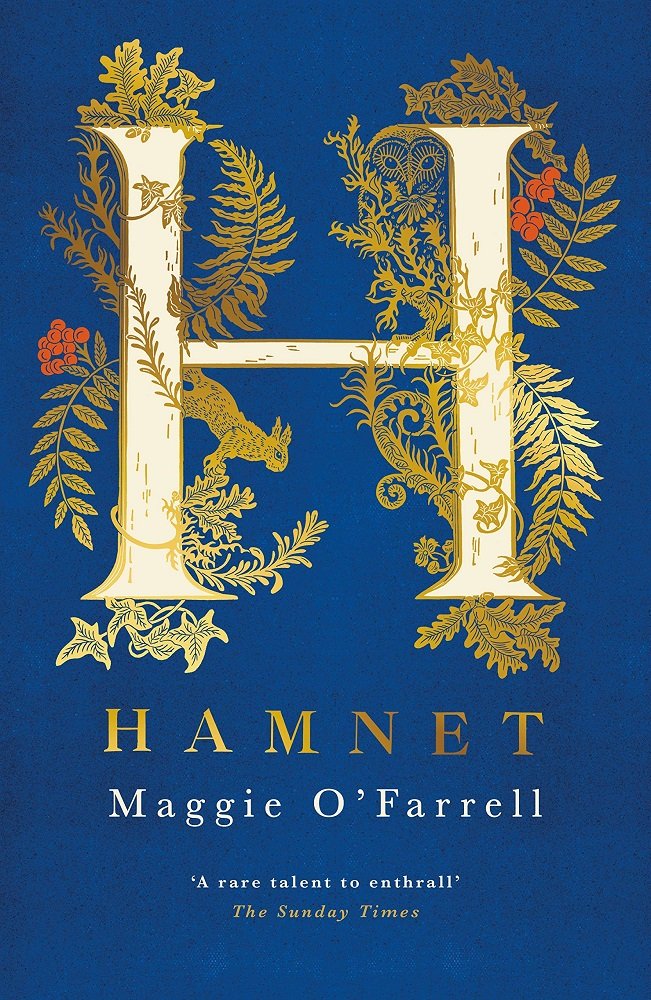
Hamnet - Maggie O'Farrell
Shattered.
Despite her infamous husband and his plays, Hamnet is unreservedly a story about Agnes - about motherhood, relentless grief, and hope.
I am only ever a witness to motherhood. I sit in the room with it daily as I watch my wife and son live their lives in a sort of quietly endearing dance of love, patience, and joy. I am, however, no stranger to parenthood and the places it can take a father. It is said that to have a child is to take a piece of your heart and let it live outside of your body, to let it be both a part of the world and to be at risk from it. The fear of that, at times I will attest, can feel overbearing.
The novel goes to that dark place. It stays there, unflinchingly, alongside the mother during her greatest loss. You are a silent observer to her shock, her numbness, her desperation. You wish you can reach out and comfort those in that small house in Stratford-upon-Avon, but like those in the room with her, you are but to watch helplessly as fate marches onward. And like them, you'd be at a loss as to what you could say anyway.
The genius in this tale lies in its ultimate catharsis, in the "small, milky morning light" of hope that starts to breakthrough the darkness and whispers hints of a future healing between two lost souls whose entire world has been broken apart. Death and its wake has destroyed; yet here, for the father, it has also inspired.
Hamnet is harrowing in its intrusion into a mother's grief. It is, however, in the end a gorgeous and hopeful fable about connection that resonates as much now as the father's plays have for over four hundred years.
4.75 out of 5